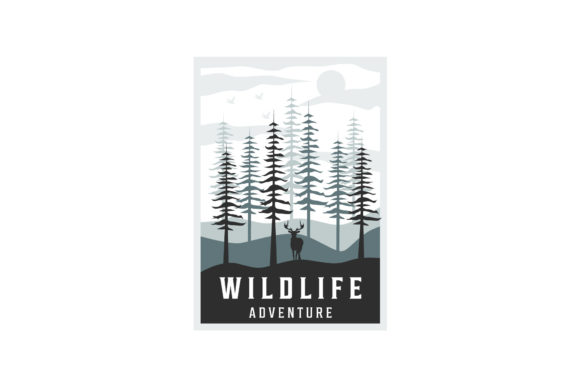
Wildlife at Forest Vintage Poster Design
There is a specific kind of charm that comes from the Wildlife at Forest Vintage Poster Design. It isn't just about pretty pictures of animals; it is about capturing a mood. Think of the feeling you get when walking through an old library or browsing a dusty antique shop. The colors are muted, the lines are textured, and there is a sense of history in every brushstroke. This design style brings the quiet majesty of nature back to life, blending the raw energy of wildlife with the nostalgic warmth of vintage aesthetics.
For creators, small business owners, and hobbyists, this isn't merely a decorative element. It is a versatile asset that can transform a digital screen into a gallery wall or turn a plain t-shirt into a conversation starter. Whether you are a marketer looking for unique visual content or an educator trying to make a lesson on ecology stick in a student's mind, understanding how to leverage this specific vector collection is key to getting real results.
Understanding the Core Assets
Before diving into applications, it helps to know exactly what you are working with. The collection includes four distinct file formats: EPS 10, SVG, PDF, and JPG. While they all look similar at first glance, their utility differs significantly depending on your workflow.
The standout feature here is the inclusion of three EPS 10 files that are fully vector-based. If you have ever struggled with pixelated images that look blurry when printed large, you know why vectors matter. They scale infinitely without losing quality. However, there is a crucial technical detail to remember for the best results: try to open the EPS file using Adobe Illustrator. While some free viewers exist, professional software like Illustrator ensures that the complex layers and color profiles remain intact, allowing you to manipulate the design without corruption.
You will also find one SVG file, which is perfect for web developers needing lightweight graphics that load instantly. The PDF offers a reliable way to share proofs or print directly, while the JPG provides a quick preview or a rasterized version for social media where vectors aren't strictly necessary. A vital note for all users: these designs contain non-editable text. The typography is locked as part of the artwork. This means you cannot simply type over the existing words to change the message. Instead, you must focus on changing the vector-based designs themselves—adjusting colors, resizing elements, or combining them with other graphics to create something entirely new.
Creative Applications for Personal Projects
Many people acquire resources like the Wildlife at Forest Vintage Poster Design for personal expression. Perhaps you want to revamp your home office without spending a fortune on expensive art prints. Because the vector files allow you to resize freely, you can take a single image of a majestic deer or a wise owl and adapt it for different spaces.
Imagine printing this design on high-quality canvas for a living room focal point. The vintage texture adds depth that modern, flat digital art often lacks. Or consider creating custom stationery. You could place the forest animal motif on the corner of wedding invitations, birthday cards, or even personalized notebooks. Since the text is non-editable, the design serves as a strong visual anchor rather than a text-heavy flyer, letting the imagery speak for itself.
Hobbyists who enjoy DIY crafts will find this particularly useful. The vector format allows you to cut these shapes out using vinyl cutters for stickers, decals, or stencils. You might create a set of matching coasters for a cabin retreat or decorate a laptop sleeve with a subtle forest scene. The ability to change the vector colors means you can match the design to your existing decor palette, turning a standard green forest into a deep navy or a warm amber to fit your specific taste.
Professional and Commercial Use Cases
For entrepreneurs and freelancers, the Wildlife at Forest Vintage Poster Design is more than just decoration; it is a branding tool. Small businesses in the eco-tourism, outdoor gear, or sustainable fashion sectors often struggle to find imagery that feels authentic yet professional. Generic stock photos of forests can feel sterile, but a vintage-style illustration conveys craftsmanship and tradition.
Consider a boutique coffee shop owner who wants to launch a line of "Forest Roast" beans. Using this design on packaging creates an immediate connection to nature. The vintage aesthetic suggests age-old brewing methods and natural ingredients. Similarly, a blogger focusing on nature photography or environmental conservation can use these assets to create featured images for blog posts. The unique style helps their content stand out in a crowded feed, signaling to readers that the site values quality and artistic integrity.
Marketers can also utilize these designs for campaign materials. The non-editable text forces a creative constraint that often leads to better design outcomes. Instead of cluttering the poster with too many headlines, the designer focuses on the impact of the wildlife imagery. This can be used for event posters, festival flyers, or even merchandise for local hiking clubs. The versatility of the EPS and SVG files means the same core asset can be adapted for a massive billboard or a tiny Instagram story ad without any loss of clarity.
Educational and Digital Integration
Educators and publishers often seek ways to make learning materials engaging. The Wildlife at Forest Vintage Poster Design bridges the gap between textbook dryness and classroom excitement. Teachers can incorporate these images into worksheets, presentations, or interactive whiteboard activities. The vintage style can spark curiosity about historical illustrations and how humans have perceived wildlife over the centuries.
In the digital realm, the SVG file is a powerhouse. Web designers can embed the vector graphics directly into HTML code, ensuring they look crisp on Retina displays and mobile devices. This is essential for user experience (UX). A slow-loading, pixelated background image frustrates users, whereas a scalable vector graphic loads instantly and adapts to any screen size. This makes the design ideal for website headers, email newsletters, or digital brochures where performance matters.
Publishers creating e-books or printable journals can integrate these designs as chapter dividers or cover art. The high resolution ensures that the final product looks professional, whether viewed on a tablet or printed out physically. The ability to modify the vector elements allows for customization based on the book's theme, perhaps shifting the color scheme to match a specific season or location discussed in the text.
Practical Considerations Before You Start
While the potential is vast, there are practical steps to take before applying this design to your projects. First, verify your software capabilities. As mentioned, opening the EPS 10 files in Adobe Illustrator is highly recommended to avoid compatibility issues. If you do not have access to professional software, ensure you have a robust alternative that supports layered vector editing.
Secondly, respect the limitations. Remember that the text is non-editable. Do not attempt to force a change on the typography if your design requires specific messaging. Instead, treat the text as part of the art. If you need to add your own copy, layer it on top or around the design, ensuring it complements the vintage vibe rather than clashing with it.
Finally, think about your output medium. Are you printing on fabric, paper, or screen? Each material interacts differently with color. The vintage palette is designed to look rich and earthy, but bright neon printers might distort the intended mood. Always test a small sample before committing to a large production run. By understanding the strengths of the vector files and respecting the constraints of the non-editable text, you can unlock the full potential of the Wildlife at Forest Vintage Poster Design.
This collection offers a blend of nostalgia and functionality that fits seamlessly into modern workflows. Whether you are building a brand, teaching a class, or simply decorating your home, the ability to scale, recolor, and adapt these forest scenes provides endless possibilities. It is a resource that rewards those who take the time to explore its features, turning a simple image into a powerful tool for communication and creativity.