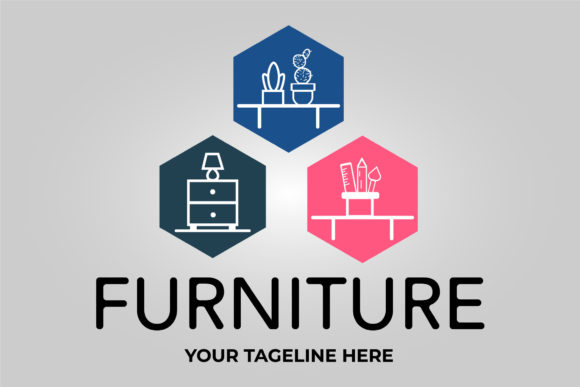
Furniture Vintage Minimalist Vector Logo: A Practical Evaluation
In the crowded landscape of digital design, finding a visual identity that balances nostalgia with modern clarity is a persistent challenge. The Furniture Vintage Minimalist Vector Logo represents a specific intersection of these needs, offering a design asset that appeals to businesses and creators seeking a timeless aesthetic without the clutter of overly ornate details. This resource is not merely a graphic; it is a functional tool intended for professionals who understand the value of scalability and precision in branding.
When evaluating this logo concept, one must look beyond the surface appeal of its vintage style. The core value lies in its vector nature. Unlike raster images that degrade when resized, this asset maintains crisp edges at any scale, from a small mobile favicon to a massive storefront sign. For entrepreneurs and marketers, this distinction is critical. It ensures that the brand message remains consistent and professional across every touchpoint, eliminating the pixelation issues that often plague amateur branding efforts.
Defining the Aesthetic and Structural Integrity
The term "Furniture Vintage Minimalist" describes a deliberate stylistic choice. It draws upon the craftsmanship and warmth associated with traditional furniture making while stripping away unnecessary decoration. The result is a clean, geometric representation that evokes reliability and heritage. This approach is particularly effective for woodworking shops, interior design firms, antique dealers, and lifestyle brands that want to communicate quality through simplicity.
Key characteristics of this design include:
- Geometric Precision: Lines are straight and curves are calculated, reflecting the structural integrity of fine furniture.
- Sparse Detailing: By avoiding complex textures or heavy shading, the logo relies on negative space and line weight to convey form.
- Timeless Color Palette: While the vector file allows for customization, the inherent strength of the design often pairs well with earth tones, deep browns, or monochromatic schemes that suggest durability.
This minimalist approach ensures that the logo does not date quickly. Trends in graphic design shift rapidly, but a well-executed minimal design based on fundamental shapes tends to remain relevant for decades. This longevity is a significant factor in the long-term value proposition of the asset.
Technical Specifications and File Utility
The practical utility of this logo package is defined by its file format diversity. The inclusion of EPS 10, SVG, PDF, and JPG formats covers almost every workflow requirement a designer or business owner might encounter. However, the recommendation to open the EPS file using Adobe Illustrator is not just a suggestion; it is the most effective way to unlock the full potential of the design.
Working within the native environment of vector software allows for granular control over anchor points and paths. This capability is essential for those who need to modify the design to fit specific brand guidelines. Whether adjusting the stroke width to match a corporate palette or rearranging elements to suit a specific layout, the vector foundation provides the flexibility required for professional adaptation.
The availability of an SVG (Scalable Vector Graphics) file is equally important for web applications. In an era where mobile-first design is standard, SVGs offer superior performance compared to large raster images. They load instantly, scale perfectly on high-resolution Retina displays, and can be manipulated via CSS for interactive effects. For bloggers, publishers, and developers, this format ensures the logo looks sharp on any device without increasing page load times.
For users who require quick previews or simple printouts, the JPG and PDF files serve as convenient backups. The PDF is particularly useful for sending proofs to printers, as it preserves vector data while being universally readable. The JPG offers immediate usability for social media profiles or email signatures where editing is not required. Together, these four formats create a comprehensive toolkit that supports both creative modification and direct deployment.
Real-World Performance and Versatility
How does this design perform outside of a design studio? In real-world scenarios, the success of a logo depends on its ability to function in various contexts. The Furniture Vintage Minimalist Vector Logo demonstrates strong adaptability. Its simplified structure means it retains recognizability even when reduced to very small sizes, such as on a business card corner or a website header.
Furthermore, the minimalist nature makes it highly versatile regarding background placement. Because the design often relies on clear lines rather than dense fills, it can be inverted to appear white on dark backgrounds or colored on light ones without losing definition. This versatility reduces the workload for marketing teams who need to maintain brand consistency across diverse media channels, from packaging to digital ads.
However, users should be aware of the limitations inherent in any pre-made asset. While the vector format allows for changes, the fundamental composition is fixed. If a user requires a complete conceptual overhaul, they may find themselves better served by commissioning custom work. That said, for most small business owners and freelancers looking for a cost-effective starting point, the ability to tweak colors, spacing, and proportions is usually sufficient to create a unique brand identity.
Ideal Use Cases and Target Audience
This asset is best suited for professionals who value efficiency and aesthetic cohesion. Small business owners in the home goods sector will find immediate application here. A carpenter launching a new line of handcrafted tables, a boutique furniture store opening online, or an interior decorator building a portfolio can all leverage this logo to establish credibility quickly.
Freelancers and agencies also benefit significantly. For a graphic designer working with a client in the home improvement niche, having a robust vector base like this saves hours of initial sketching and tracing. It allows them to focus their energy on strategy and broader campaign development rather than basic iconography. Similarly, educators teaching design principles can use this file to demonstrate the power of vector graphics versus raster images.
The audience extends to serious hobbyists and content creators as well. Bloggers writing about DIY projects or sustainable living often need professional imagery to accompany their text. Using a high-quality, non-editable text-free logo (once modified) adds a layer of polish to their site that generic clip art cannot provide. The vintage element resonates well with audiences interested in sustainability, craftsmanship, and slow living trends.
Strategic Considerations for Implementation
To maximize the return on this investment, users should approach the customization process with a strategic mindset. Changing the color scheme is the most impactful first step. Selecting a hue that aligns with the psychological associations of the target market—such as warm woods for comfort or cool grays for modern industrial styles—can dramatically alter the perceived personality of the brand.
Consistency is another vital component. Once the logo is adapted, it must be applied consistently. This includes ensuring that the aspect ratio is maintained during resizing and that the contrast remains high enough for legibility. Relying on the vector source files for every export prevents the degradation of quality that occurs when saving and re-saving raster images multiple times.
It is also worth noting the importance of legal compliance. Users must verify the licensing terms associated with the purchase. While many vector assets allow for commercial use, restrictions on resale or redistribution are common. Understanding these boundaries protects the user from potential legal issues down the line.
Final Thoughts on Value and Longevity
The Furniture Vintage Minimalist Vector Logo stands out not because it is flashy, but because it is functional. It addresses the fundamental requirements of modern branding: scalability, clarity, and adaptability. For the professional seeking a balance between vintage charm and contemporary efficiency, this asset offers a solid foundation. Its multi-format delivery ensures compatibility across the entire digital ecosystem, while its vector structure guarantees future-proofing.
While no single logo fits every scenario perfectly, this design serves as a highly capable option for those in the furniture, design, and lifestyle sectors. By leveraging the technical strengths of the EPS and SVG files, users can transform a standard graphic into a distinctive brand mark that communicates quality and trust. In a market saturated with noise, the quiet confidence of a minimalist vintage design can be a powerful differentiator.