Clock Multilayer Laser Cut Files: Creative Design Assets
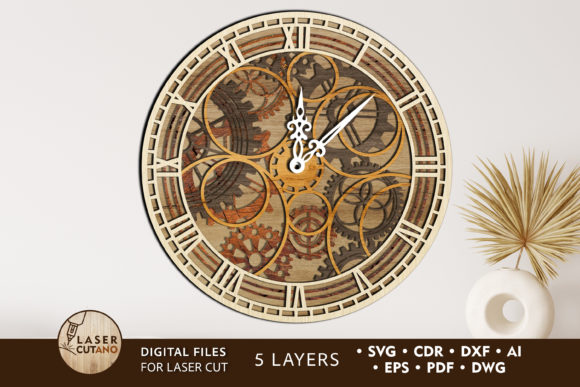
The intersection of digital precision and tactile craftsmanship has never been more accessible than with Clock Multilayer Laser Cut Files. This isn't just a template; it is a sophisticated design asset that transforms flat materials into dynamic, three-dimensional art. The visual personality of this project is defined by its intricate floral motifs and the depth created through a five-layer multilayer layout. Unlike standard single-plane vector files, this design invites you to build volume, creating shadows and highlights that give the clock face a living, breathing quality.
When you approach a creative project, the tools you choose define the outcome's potential. These digital files are engineered specifically for laser cutters, CNC routers, and Glowforge machines, ensuring that every curve of the flower petal and every line of the clock hands translates perfectly from screen to physical object. The aesthetic appeal lies in its balance: it is elegant enough for high-end interior decor yet robust enough for bold wall art. Whether you are a small business owner looking to expand your product line or a hobbyist wanting to create a unique gift, this design offers a versatile foundation for modern typography and decorative arts.
From Digital Vector to Physical Masterpiece
Understanding the mechanics behind Clock Laser Cut File multilayer layouts is crucial for achieving professional results. The file includes separate layers for each component of the design, allowing you to manipulate depth and texture. The finished product measures 15.8 x 15.8 inches, providing a substantial presence on any wall. The recommended material thickness ranges from 3 to 6 mm (approximately 1/8 to 1/4 inch), which is ideal for plywood, MDF, acrylic, plexiglas, and even metal sheets.
The process begins with the raw material selection. Plywood and MDF offer a warm, natural grain that complements the organic flower shapes, while acrylic and plexiglas provide a sleek, contemporary look suitable for modern interiors. Once the cutting is complete, the real magic happens during assembly. Each layer must be glued together to form the final structure. A pro tip for designers is to paint the individual layers before gluing them. This technique ensures clean edges and prevents paint from seeping into the joints, maintaining the crisp definition of the multilayer model.
This level of detail elevates the project beyond a simple timepiece. It becomes a statement piece of wall art. The analog clock hands serve as functional elements within a larger artistic composition, proving that utility and aesthetics can coexist seamlessly. By using these files, creators can produce decorative analog wall clocks that stand out in a crowded market, offering a personalized touch that mass-produced items simply cannot match.
Strategic Applications in Branding and Interior Design
The versatility of these digital assets extends far beyond the workshop. In the realm of branding and marketing, Clock Multilayer Laser Cut Files represent a tangible way to bring a brand identity to life. Imagine a boutique hotel lobby featuring a large-scale version of this clock as a central focal point, or a coffee shop using smaller versions as branded merchandise. The design acts as a visual anchor, reinforcing brand recognition through consistent use of unique design assets.
For editorial and packaging design professionals, understanding the nuances of this typeface-inspired layout is valuable. While this is not a traditional font, the principles of spacing, hierarchy, and flow apply equally to vector graphics used in print media. The floral elements can be adapted for magazine covers, book bindings, or luxury packaging inserts. The ability to scale the design allows for flexibility; you can increase the size for massive installations or reduce it for intricate details, provided you account for the limitations of thin elements when scaling down.
In web design and social media graphics, the concept of multilayer depth is increasingly popular. Creators can use renders of this clock to generate engaging content that showcases texture and dimension. By demonstrating the physical creation process, brands can connect with audiences on an emotional level, highlighting the craftsmanship behind their products. This approach aligns with the growing consumer demand for authenticity and handmade quality in a digital-first world.
Technical Execution and Professional Workflow
To maximize the value of these files, users must navigate the technical requirements with care. Upon purchase, the download includes a comprehensive .zip folder containing formats such as .AI, .SVG, .DXF, .DWG, .CDR, .EPS, and .PDF. Before initiating any cutting job, it is essential to unzip the folder to access the individual layer files. Working directly from a compressed archive can lead to errors in the cutting software, so proper file management is the first step toward success.
Evaluating project fit requires a critical eye. When selecting materials, consider the density and finish. For instance, balsa wood might be too soft for a heavy-duty wall clock but perfect for a delicate hanging ornament. Conversely, metal sheets require specific laser settings and safety protocols. The recommended materials like plywood and MDF strike a balance between durability and ease of cutting, making them the go-to choices for most applications.
Font pairing and style consistency remain relevant even in vector design. Just as a designer chooses a serif font to pair with a sans-serif for contrast, a maker must choose materials that complement the design's theme. If the clock features ornate floral details, a smooth, light-colored wood enhances the elegance. If the design is more geometric, a dark-stained hardwood adds drama. Testing different combinations before committing to a full production run ensures that the final product meets professional standards.
Commercial licensing is another critical consideration. These files are designed for commercial use, allowing entrepreneurs to sell the finished clocks without legal hurdles. However, it is important to respect the intellectual property rights associated with the original design. Using the files to create a unique product line rather than reselling the digital files themselves is the ethical and sustainable path forward.
Maximizing Creativity with Versatile Tools
The true power of Clock Multilayer Laser Cut Files lies in its adaptability. It serves as a blank canvas for creativity, inviting users to experiment with color, texture, and arrangement. The multilayer layout encourages experimentation with different materials for each layer, creating a mosaic effect that adds complexity and interest. For example, alternating between wood and acrylic layers can produce a striking visual contrast that catches the light beautifully.
As a design professional, I recommend approaching this project with a mindset of iteration. Start with a small test piece to refine your cutting parameters and gluing techniques. Once the workflow is optimized, scale up to the full 15.8-inch format. This methodical approach minimizes waste and ensures that the final product is a reflection of high-quality craftsmanship. Whether you are producing a single custom piece for a client or manufacturing a batch for retail, these files provide the structural integrity needed for consistent results.
In conclusion, the Clock Multilayer Laser Cut File represents more than just a digital download; it is a gateway to creating meaningful, physical objects in an increasingly virtual world. By combining modern technology with traditional crafting skills, creators can produce designs that are both functional and aesthetically pleasing. From interior design decor to commercial branding, the possibilities are limited only by imagination. Embrace the multilayer approach, respect the technical constraints, and let your creativity shine through every cut and layer.