Warning Triangle Sign: The Critical Safety Tool You Might Be Misusing
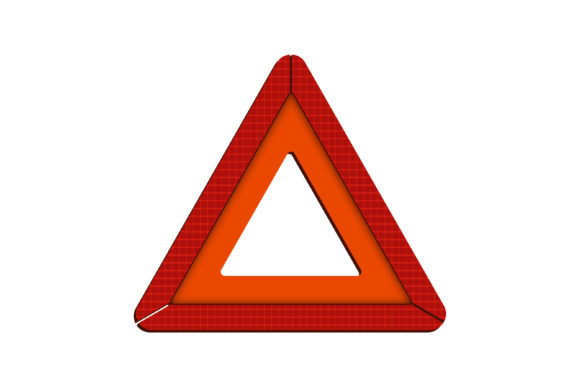
You are driving down a quiet stretch of highway when your engine suddenly sputters to a halt. The dashboard lights flicker, and the silence that follows is deafening. In those first few seconds of panic, the most important decision you make isn't about fixing the car; it's about retrieving the Warning Triangle Sign from your trunk. This small, collapsible piece of plastic or metal is often treated as an afterthought, a legal formality that gets shoved into the back of a toolbox. Yet, in moments of crisis, this device becomes your primary line of defense against secondary collisions.
The concept is simple: place the triangle behind your vehicle to alert oncoming traffic. However, the reality of using a warning triangle effectively is far more complex than simply unfolding a red frame. Many drivers, even experienced ones, make critical errors in how they select, store, and deploy this emergency stop sign. These mistakes can transform a manageable breakdown into a life-threatening situation. Understanding the nuances of the emergency stop sign is not just about following the law; it is about ensuring you return home safely.
The Hidden Dangers of Cheap or Damaged Equipment
One of the most overlooked aspects of vehicle safety is the quality of the equipment you carry. When purchasing a Warning Triangle Sign, the instinct is often to buy the cheapest option available. You might find a flimsy, lightweight plastic version for a fraction of the cost of a premium model. While saving a few dollars seems logical, the trade-off can be catastrophic visibility.
A low-quality triangle often lacks sufficient reflective material. On a rainy night or in heavy fog, a cheap sign might blend into the background rather than standing out like a beacon. Furthermore, the legs of inexpensive models frequently fail to lock securely. If the wind catches a poorly constructed leg while you are placing the sign, the entire unit can collapse, rendering it useless exactly when you need it most. A collapsed triangle does not signal danger; it signals confusion, forcing other drivers to slow down unnecessarily or, worse, miss the hazard entirely.
Additionally, consider the durability of the materials. A triangle stored in a hot glovebox during summer or freezing in a trunk during winter can become brittle. Over time, the reflective coating may peel, or the plastic may crack. Before you ever face a breakdown, check your current sign. Is the reflective surface intact? Do the hinges move smoothly without resistance? If the answer is no, replace it immediately. Relying on a damaged sign is a gamble you cannot afford to take.
Common Deployment Errors That Compromise Safety
Even with a high-quality car breakdown on the road scenario, the way you position the triangle matters immensely. There is a pervasive misunderstanding that placing the sign directly next to the rear bumper is sufficient. This is a dangerous misconception. Traffic needs advanced warning to react safely, especially at high speeds.
Regulations vary by region, but a general rule of thumb for highways is to place the triangle significantly further back than most people think. On a standard two-lane road, 50 meters (about 164 feet) is the minimum distance. On motorways or highways, this distance should increase to 100 meters (roughly 328 feet). If you stand too close to your vehicle, you are putting yourself in the direct path of approaching traffic. You are also failing to give drivers enough time to perceive the obstacle and brake gently. A sudden stop by a driver who sees your car only fifty meters away is often impossible, leading to rear-end collisions.
Another frequent error involves the terrain. Placing a triangle on a steep downhill slope or around a sharp blind curve reduces its effectiveness. If the sign is placed before a crest, drivers will not see it until they are already over the hill, eliminating any chance to slow down early. Similarly, if you are on a winding road, the triangle must be placed before the curve begins so that drivers have a clear line of sight to both the sign and your vehicle. Always prioritize visibility over convenience. It is better to walk a few extra steps to ensure the sign is visible from a distance than to save energy and risk your life.
Environmental Factors and Visibility Challenges
Situations involving a Warning Triangle Sign rarely happen under perfect conditions. Rain, snow, darkness, and glare can all interfere with visibility. Many drivers forget that a standard red triangle is designed primarily for daylight or well-lit areas. At night, the reflectivity is crucial, but it has limits.
li Weather Conditions: Heavy rain can wash away the contrast between the red triangle and the wet asphalt. Snow can bury the base of the sign. In these conditions, relying solely on the triangle is risky. li Lighting: If you are stranded on a dark road with no streetlights, the reflection from headlights is your only ally. Ensure the reflective strips are clean and unobstructed. Dirt or mud on the sign will drastically reduce its range. li Highway Speeds: The faster the traffic, the longer the stopping distance required. Your placement strategy must account for the speed limit. A sign placed for city speeds is inadequate for highway speeds.To mitigate these risks, always activate your hazard lights immediately upon stopping. This provides a continuous flashing signal that complements the static nature of the triangle. If you have them, use reflective vests or cones in addition to the triangle. The goal is to create a layered warning system that communicates "danger" through multiple channels.
Evaluating Your Kit Before the Emergency Occurs
Preparation is the difference between a minor inconvenience and a major disaster. Before you embark on a long journey, take five minutes to evaluate your emergency kit. This is not about fear-mongering; it is about practical due diligence.
- Check the Date: Some reflective materials degrade over time. If your triangle is ten years old, consider replacing it regardless of its appearance.
- Test the Stability: Set up the triangle on flat ground. Does it wobble? Can it withstand a moderate breeze? If it feels unstable, do not trust it in an emergency.
- Verify Legal Compliance: Different countries have specific requirements regarding the color, size, and reflectivity of the emergency stop sign. Ensure your sign meets the standards of the regions where you plan to drive.
- Accessibility: Where is the triangle stored? If it is buried under spare tires, tools, or groceries, you will waste precious time retrieving it. Keep it easily accessible in the cabin or a dedicated compartment near the trunk release.
By taking these proactive steps, you shift your mindset from reactive panic to controlled action. When the moment comes that your car breaks down, you will not be searching for a tool or wondering if it works. You will know exactly what to do.
Moving Toward Better Safety Habits
The Warning Triangle Sign is a symbol of preparedness, but its true value lies in how it is used. Avoid the trap of treating it as a box-ticking exercise. Treat it as a vital piece of safety equipment that requires maintenance, proper storage, and correct deployment. By understanding the limitations of cheap models, respecting the distances required for visibility, and adapting to environmental conditions, you significantly improve your chances of staying safe.
Remember, the goal of the triangle is to communicate clearly with other drivers. Clarity saves lives. Whether you are a professional truck driver, a weekend hobbyist, or a commuter heading home, the principles remain the same. Respect the physics of braking, respect the visibility of your equipment, and never compromise on the details. Your safety, and the safety of others on the road, depends on the choices you make today.