Transforming Your Visuals with Colorful Digital Lens Flares
In the world of digital photography and graphic design, lighting is everything. It sets the mood, directs the viewer's eye, and adds a layer of authenticity that flat images often lack. However, achieving that perfect, cinematic glow in post-production can be a daunting task for many creators. This is where Colorful Digital Lens Flares become an indispensable tool. By simulating the optical phenomena that occur when light hits a camera lens, these effects bridge the gap between a standard photograph and a piece of art.
Making a realistic light effect you need lens flares. Without them, even the most well-composed shot can feel lifeless or artificially lit. The solution lies in utilizing a specialized set designed to make your photo glowing and amazing. From vibrant sunbursts to subtle atmospheric glows, this collection offers a versatile range of options that cater to various artistic visions.
The Art of Realistic Lighting
Why do we obsess over adding light leaks and flares? The answer is rooted in how human eyes perceive light. When a bright light source enters our field of vision, our eyes don't just see a sharp point; they see a bloom of color, streaks of light, and sometimes ghostly circles. These are natural optical aberrations. In digital editing, replicating this behavior creates an immediate sense of depth and realism.
Colorful Digital Lens Flares allow designers to inject this organic quality into their work without needing expensive lighting equipment or complex setups. Whether you are enhancing a portrait to give it a dreamy, ethereal look or adding a sci-fi edge to a product shot, these tools provide the necessary polish. They transform a static image into a dynamic scene, guiding the viewer's attention exactly where you want it.
Why High Resolution Matters
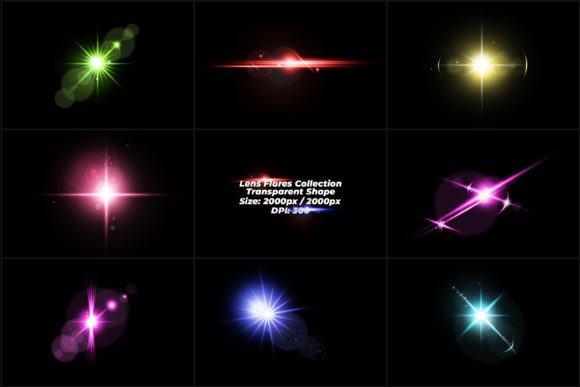
One of the critical factors in selecting the right assets is resolution. Low-quality flares appear pixelated, blurry, or artificial, which immediately breaks the immersion of the final image. The set mentioned here features 8 Items 100 unique High Resolution Isolated Layers. This distinction is vital.
High resolution ensures that every particle of light, every streak, and every halo retains its crispness regardless of the output size. Whether you are printing a massive billboard or displaying the image on a high-density mobile screen, the details remain sharp. Isolated layers mean that each flare element is separated from any background noise, allowing for seamless integration into your specific composition without the need for tedious manual masking.
Integrating Flares into Modern Workflows
The modern creative workflow demands efficiency. Designers, photographers, and video editors often work under tight deadlines, needing tools that are both powerful and easy to deploy. The inclusion of files in both Psd File and Jpeg File formats addresses the needs of diverse professionals.
For Photoshop experts, the PSD format is a game-changer. Because the layers are isolated, you have full control over opacity, blending modes, scaling, and rotation. You can adjust the hue of a specific flare without affecting the rest of the image, or stack multiple flares to create a complex lighting scenario. This flexibility is crucial for advanced retouching where precision is key.
Conversely, the JPEG files offer speed. If you are working on a quick social media post or a web banner where complex layer management isn't feasible, the pre-rendered JPEGs allow you to drag, drop, and finish. This dual-format approach ensures that whether you are a professional studio artist or a hobbyist blogger, the tool fits seamlessly into your routine.
Practical Applications Across Industries
The utility of these digital assets extends far beyond simple photo manipulation. Different industries leverage Colorful Digital Lens Flares to achieve specific branding and storytelling goals.
- Fashion and Editorial: Photographers use flares to add drama and warmth to fashion spreads. A soft, colorful flare can suggest a summer sunset or a glamorous evening event, elevating the perceived value of the clothing.
- Tech and Gaming: For promotional materials related to technology or video games, intense, sharp flares with cool tones (blues and purples) convey a futuristic, high-energy vibe. They simulate laser beams and holographic interfaces.
- Travel and Lifestyle: To capture the feeling of a vacation, warm golden flares mimic the "golden hour" sunlight. This evokes nostalgia and happiness, making the destination look more inviting.
- Music and Events: Concert posters and album covers often rely on chaotic, multi-colored flares to represent the energy of live performances and stage lighting.
How to Use These Assets Effectively
While the tools are described as very easy to use, mastering the application requires a bit of understanding about light physics and composition. Here are some practical tips to get the most out of your set.
- Match the Light Source: Always consider where the primary light source in your image is coming from. If the sun is low on the left, your flare should originate from that direction. Placing a flare in the opposite corner looks unnatural and confusing.
- Adjust Blending Modes: In Photoshop, changing the blending mode of your flare layer is essential. Modes like "Screen," "Linear Dodge (Add)," or "Overlay" usually yield the best results by allowing the light to interact naturally with the underlying pixels rather than simply covering them up.
- Control Opacity: Less is often more. A flare that is too intense can wash out the subject and ruin the detail. Start with lower opacity and build up gradually until the effect feels right.
- Use Masks for Precision: Don't let the flare spill over areas where it shouldn't. Use layer masks to paint away parts of the flare that obscure important details, such as a model's face or a product logo.
Choosing the Right Flare for the Job
With 8 Items 100 unique High Resolution Isolated Layers, you might wonder which one to pick. The variety is there for a reason. Some flares are subtle, consisting of just a few soft orbs, while others are dramatic bursts with long rays. The key is to choose a flare that complements the color palette of your image.
If your photo has warm tones (oranges, reds, yellows), a warm-toned flare will enhance the atmosphere. Conversely, using a cool blue flare on a warm image can create a striking contrast, though it must be done carefully to avoid clashing colors. Experimentation is encouraged. Try stacking two different flares from the set to create a custom look that no one else has.
Common Pitfalls to Avoid
Even with high-quality assets, beginners often fall into traps that make their work look amateurish. One common mistake is overusing the effect. Adding a lens flare to every single image in a portfolio dilutes the impact. Reserve these effects for moments where they truly serve the narrative or aesthetic goal.
Another issue is ignoring the context of the original photo. If a photo was taken at night, adding a bright, midday sun flare will look jarring unless it is clearly intended to be a stylized, surreal effect. Always ask yourself: does this light make sense in the environment?
Conclusion
Incorporating Colorful Digital Lens Flares into your design process is a straightforward way to elevate the visual quality of your projects. The combination of high-resolution isolated layers, dual file formats, and ease of use makes this set a valuable addition to any creative toolkit. By understanding the principles of light and applying these tools thoughtfully, you can turn ordinary photos into glowing, amazing works of art that captivate your audience.
Whether you are looking to add a touch of magic to a personal project or seeking professional-grade assets for commercial work, the ability to manipulate light digitally opens up endless possibilities. Embrace the power of these effects, experiment with the unique layers available, and watch your designs come alive with vibrant, realistic illumination.