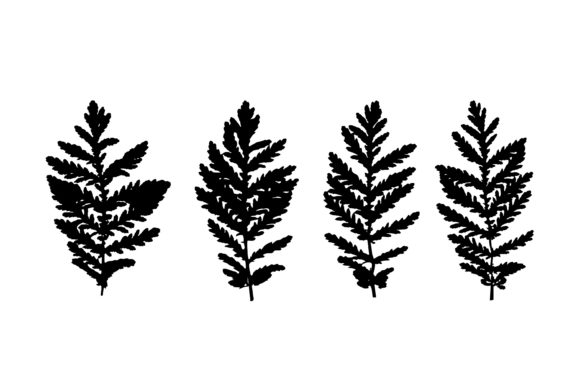
Thin Tradescantia Liana Grass Leaves
In the realm of visual assets and design strategy, the Thin Tradescantia Liana Grass Leaves often appear as more than a simple botanical illustration. For professionals ranging from digital marketers to small business owners, these specific silhouettes—particularly the black thin tradescantia liana grass leaves isolated on white—represent a versatile tool for enhancing clarity, structure, and aesthetic precision. Whether utilized as a climbing thin plant brush in vector software or as a stencil vector for branding materials, the strategic application of this element can significantly elevate the perceived quality of your communication.
The decision to incorporate such specialized imagery into your workflow is not merely about decoration; it is a calculated move toward better results. When you understand the underlying value of Thin Tradescantia Liana Grass Leaves, you unlock a method for organizing complex information, guiding user attention, and reinforcing brand identity without cluttering your message. This guide explores how to approach these assets with intention, ensuring they serve your long-term goals rather than acting as fleeting trends.
Defining the Asset and Its Strategic Utility
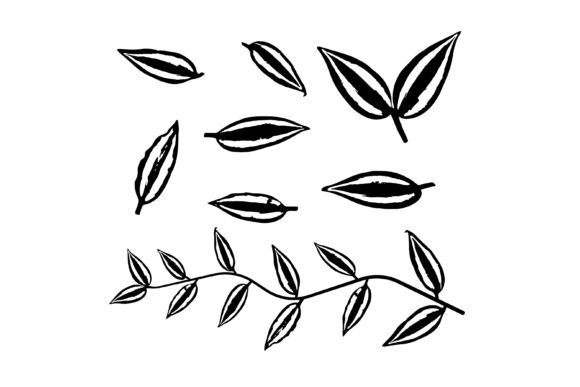
To use any asset effectively, one must first understand its technical and functional nature. The Thin Tradescantia Liana Grass Leaves described here are characterized by their delicate, linear form. Unlike heavy, dense foliage that might overwhelm a composition, these leaves offer a sense of movement and organic flow. When rendered as black thin tradescantia liana grass leaves silhouettes isolated on white, they provide maximum contrast, making them ideal for high-impact applications where legibility is paramount.
For entrepreneurs and creators, the utility lies in the duality of the format. As a climbing thin plant brush, it allows for dynamic customization within graphic design software, enabling the creation of unique patterns that mimic natural growth. As a stencil vector, it offers reproducibility across various media, from web headers to printed packaging. This flexibility supports a cohesive brand presence, allowing you to maintain consistency while adapting to different platforms.
The strategic advantage of using these specific shapes over generic icons is rooted in the psychology of perception. Organic lines suggest growth, adaptability, and resilience. In a market saturated with rigid, geometric corporate imagery, introducing the fluidity of Thin Tradescantia Liana Grass Leaves can humanize your brand. It signals to your audience that your business values nuance and natural progression, which can be particularly effective for companies focused on sustainability, wellness, or creative services.
Navigating Planning and Positioning
Effective planning requires tools that help visualize pathways and trajectories. The "climbing" nature of the Tradescantia liana makes it a powerful metaphorical and literal device for illustrating progress. When positioning a new product or service, utilizing these leaf silhouettes to create upward-moving visual cues can subconsciously reinforce the narrative of advancement and success.
Consider the scenario of a freelancer pitching a comprehensive marketing plan. Instead of relying solely on bullet points, integrating Thin Tradescantia Liana Grass Leaves as a background texture or a framing element can break up the monotony of text-heavy documents. The stark contrast of black silhouettes on white ensures that the content remains the focal point, while the surrounding elements add depth and professional polish. This approach demonstrates attention to detail—a trait that clients and partners highly value.
Furthermore, these assets are excellent for segmentation. In operations management or project planning, distinct sections of a process can be visually separated by varying densities of the plant brush. A sparse arrangement suggests an early stage of development, while a denser cluster might represent maturity or full capacity. This visual language allows stakeholders to grasp the status of a project at a glance, reducing the cognitive load required to interpret data.
Enhancing Communication and Brand Identity
Communication is the backbone of any successful enterprise, yet it is often hindered by visual noise. The black thin tradescantia liana grass leaves silhouettes isolated on white offer a solution through subtraction. By removing color and focusing on form, you force the viewer to engage with the shape itself. This minimalist approach aligns perfectly with modern design principles that prioritize clarity and speed of consumption.
For bloggers and publishers, these images serve as compelling dividers between articles or chapters. They act as visual pauses, giving the reader a moment to reset before consuming the next block of text. Because the style is neutral (black and white), it does not clash with existing color palettes, making it a safe yet sophisticated addition to any editorial layout. This consistency helps build a recognizable visual identity that readers come to trust.
In the context of customer experience, the subtlety of Thin Tradescantia Liana Grass Leaves plays a crucial role. High-end brands often avoid loud graphics, opting instead for understated elegance. Using these leaves as a watermark or a subtle border on invoices, receipts, or digital confirmations elevates the perceived value of the transaction. It communicates that the business cares about the entire journey, not just the final sale.
When designing educational materials or training manuals, the organic flow of the liana can guide the eye along a learning path. Teachers and corporate trainers can use the climbing aspect of the brush to illustrate step-by-step processes. The visual metaphor of a plant reaching for light resonates with the concept of knowledge acquisition, making the learning experience feel more intuitive and less mechanical.
Practical Applications in Creativity and Productivity
Creativity thrives on constraints and inspiration. The climbing thin plant brush variation of the Tradescantia asset provides a structured way to introduce organic chaos into digital workspaces. Designers can use this tool to create custom backgrounds that are unique to their projects, avoiding the generic look of stock photography. This level of customization is essential for professionals who need to stand out in crowded marketplaces.
Productivity tools also benefit from thoughtful visual design. Consider a project management dashboard. Integrating Thin Tradescantia Liana Grass Leaves as status indicators can make the interface more engaging. For instance, a single leaf might indicate a task in progress, while a cluster could signify completion. This gamification of tasks, achieved through simple vector art, can boost team morale and engagement without requiring complex software development.
For small business owners, cost-effectiveness is a major concern. Vector assets like these are scalable, meaning they can be used for a tiny social media icon or a massive billboard without losing quality. This eliminates the need to purchase multiple versions of an image for different uses, streamlining the budget and saving time. The ability to edit the vector paths further allows for tailoring the asset to fit specific branding guidelines, ensuring a perfect fit every time.
Decision-Making and Risk Management
While the benefits are clear, relying on visual assets without a clear strategy can lead to unintended consequences. The primary risk of using Thin Tradescantia Liana Grass Leaves randomly is dilution of message. If every piece of content features these leaves, they cease to be distinctive and become background noise. Decision-makers must ask: Does this asset support the core message? Is it appropriate for the target demographic?
There is also the risk of cultural misalignment. While generally neutral, organic motifs can sometimes carry specific connotations depending on the region or industry. In a highly technical or industrial sector, an overly decorative plant motif might undermine the perception of precision and reliability. Professionals must assess the context before deploying these assets. A tech startup might use them sparingly to show innovation, whereas a law firm might find them too casual for formal legal documents.
Another consideration is accessibility. While high-contrast black-on-white is generally accessible, the thinness of the lines can sometimes cause issues for users with low vision if the strokes are too fine. It is crucial to test the final output to ensure that the silhouettes isolated on white remain legible and do not interfere with the readability of adjacent text. Strategic planning involves anticipating these potential barriers and adjusting line weights or spacing accordingly.
Intentional Implementation for Long-Term Results
Achieving better results requires moving beyond the impulse to use an asset because it looks good. The most successful practitioners treat Thin Tradescantia Liana Grass Leaves as part of a larger ecosystem of communication. Before integrating them into a campaign, define the objective. Are you aiming to soften a brand image? To highlight growth? To organize complex data? Once the goal is established, select the appropriate variation of the asset—the brush for dynamic layouts, the silhouette for bold statements, or the stencil for uniform patterns.
Consistency is key to building long-term equity. Create a set of guidelines that dictate when and how these leaves are used. This might include rules about opacity, placement, and density. By adhering to these standards, you ensure that every interaction a customer has with your brand reinforces the same values. Over time, this repetition builds recognition and trust.
Finally, remain open to iteration. Market trends shift, and what works today may need adjustment tomorrow. Regularly audit your use of Thin Tradescantia Liana Grass Leaves against your performance metrics. If a particular application drives higher engagement or conversion, double down on it. If another falls flat, refine your approach or retire the tactic. The goal is not just to use the asset, but to leverage it strategically to drive tangible outcomes.
In conclusion, the Thin Tradescantia Liana Grass Leaves and their variations are powerful tools for the modern professional. When approached with thoughtfulness and strategic intent, they can enhance planning, improve communication, and strengthen branding. By understanding their capabilities and limitations, you can make informed decisions that lead to superior results, turning a simple vector graphic into a cornerstone of your visual strategy.