Red First Aid Kit for Emergency and Resuscitation: The Essential Guide to Lifesaving Preparedness
In the unpredictable landscape of daily life, emergencies can strike without warning. Whether it is a sudden cardiac arrest on a sports field, a severe allergic reaction at a public event, or an accident in a workplace, the difference between life and death often comes down to the speed of response and the quality of equipment available. Central to this rapid response is the red first aid kit for emergency, a specialized tool designed not just for minor scrapes, but for critical resuscitation and advanced medical intervention.
This article explores the vital role of these kits, specifically focusing on their configuration for open and closed form scenarios, the professionals who utilize them, and the technology that makes modern resuscitation possible. By understanding the nuances of emergency medical gear, we empower ourselves to be better prepared for any situation.
The Critical Role of the Red First Aid Kit
Why is the color red universally associated with first aid? It is a signal of urgency. A red first aid kit for emergency resuscitation stands out in any environment, ensuring that in a moment of chaos, help can be located instantly. Unlike standard household kits which may contain bandages and antiseptics for minor injuries, these specialized kits are stocked with equipment necessary for life-saving procedures.
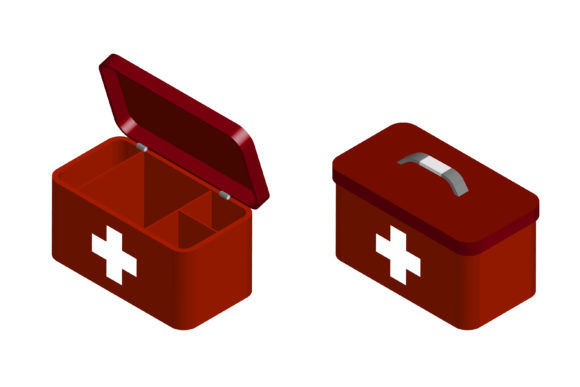
The significance of such a kit lies in its contents and its readiness. In the context of open and closed form operations, the design of the kit adapts to the environment:
- Closed Form: This refers to the kit when stored. It must be watertight, dust-proof, and clearly marked. In this state, it protects sensitive electronic devices like Automated External Defibrillators (AEDs) and sterile supplies from environmental damage until the moment of need.
- Open Form: Once opened during an emergency, the layout must allow for immediate access. The internal organization ensures that a rescuer does not waste precious seconds searching for a defibrillator pad or an airway management device.
For general readers, understanding this distinction helps in selecting the right kit for your home, office, or vehicle. A high-quality emergency kit is not merely a box; it is a portable command center for health.
Resuscitation in Action: Open vs. Closed Protocols
The term "resuscitation" often brings to mind CPR (Cardiopulmonary Resuscitation) and the use of an AED. However, the effectiveness of these interventions relies heavily on the accessibility of the equipment within the red first aid kit.
When an emergency occurs, the transition from closed form to open form is the first step in the rescue chain. Imagine a scenario where a lifeguard spots a swimmer in distress. They retrieve the red first aid kit. If the kit is poorly designed, the struggle to open it could delay care by critical seconds. Therefore, modern kits feature quick-release latches and clear labeling.
Once open, the kit facilitates the administration of advanced care. This includes:
- Airway Management: Tools like bag-valve masks (BVM) and oral airways are essential for patients who cannot breathe on their own.
- Defibrillation: The presence of an AED within the kit allows for the treatment of shockable heart rhythms.
- Hemorrhage Control: Tourniquets and hemostatic gauze are included to stop severe bleeding, a leading cause of preventable death.
It is important to clarify a common misunderstanding: a first aid kit is not a substitute for professional medical training. However, it is the bridge that connects a bystander's willingness to help with the ability to save a life.
The Lifeguard and Medical Worker: A Unified Front
The image of a set of lifeguard and medical worker treating a patient represents the pinnacle of emergency response coordination. In many 3D vector illustrations and real-world scenarios, you will see these two groups working in tandem. While their roles differ slightly, their reliance on the same red first aid kit for emergency resuscitation unites them.
The Lifeguard's Perspective
Lifeguards are often the first responders in aquatic environments. Their red first aid kits are tailored for water-related incidents, which often involve drowning, spinal injuries, or hypothermia. When a lifeguard initiates resuscitation, they rely on the kit to provide dry gloves, oxygen masks, and splints. The kit must remain functional even after exposure to water, highlighting the importance of durable materials.
The Medical Worker's Contribution
Medical workers, whether paramedics or nurses arriving on the scene, bring a higher level of clinical expertise. They expand upon the initial care provided by the lifeguard. They utilize the same red kit as a foundation but add specialized medications and advanced monitoring equipment. The collaboration ensures that the patient receives continuous care from the moment of injury until hospital admission.
In educational settings, students studying healthcare or safety management often analyze these interactions. Understanding how a lifeguard and a medical worker share resources from a single kit teaches the value of teamwork and resource management under pressure.
Modern Applications: From Beaches to Offices
The relevance of the red first aid kit for emergency extends far beyond beaches and hospitals. In today's fast-paced world, these kits are integral to various sectors:
Workplace Safety
In industrial and corporate environments, OSHA and other regulatory bodies mandate the presence of first aid supplies. For businesses, having a certified red first aid kit for emergency resuscitation is not just about compliance; it is about duty of care. In the event of a heart attack or a fall, the availability of an AED and trauma supplies can keep an employee alive until an ambulance arrives.
Educational Institutions
Schools and universities are bustling hubs of activity. Sports fields, science laboratories, and cafeterias all present unique risks. Installing red first aid kits in these areas ensures that teachers and coaches have the tools to manage acute situations. Furthermore, these kits serve as teaching tools, allowing educators to demonstrate proper first aid techniques to students.
Public Events and Creativity
From marathons to music festivals, large gatherings require robust medical support. Event organizers rely on sets of lifeguards and medical workers equipped with mobile red first aid stations. These setups are often depicted in 3D vector graphics to plan logistics, showing exactly where teams should position themselves relative to the crowd.
Clarifying Misconceptions About Emergency Kits
To build a broader understanding, we must address some common assumptions about first aid kits.
Misconception 1: All Red Boxes Are the Same.
Not all red boxes are created equal. A decorative red box found in a kitchen is different from a certified red first aid kit for emergency resuscitation. The latter contains specific items tested for medical efficacy, including sterile barriers, advanced airway tools, and approved medications.
Misconception 2: Training Is Optional.
Having the kit is only half the battle. Without knowledge of how to use the equipment inside, the kit is useless. Regular training sessions ensure that both laypeople and professionals can efficiently open the kit, set up the AED, and perform CPR.
Misconception 3: One Size Fits All.
The needs of a lifeguard differ from those of a construction foreman. A comprehensive approach involves tailoring the contents of the kit to the specific risks of the environment while maintaining the core requirement for resuscitation capabilities.
Conclusion: Building a Safer Future
The journey from a simple red box to a sophisticated medical station highlights the evolution of emergency care. The red first aid kit for emergency is more than a collection of supplies; it is a symbol of hope and preparedness. Whether utilized by a lifeguard on a sandy beach or a medical worker in a busy city street, its purpose remains the same: to preserve life.
By understanding the concepts of open and closed forms, recognizing the collaborative efforts of rescue teams, and appreciating the technological advancements in resuscitation gear, we can all contribute to a safer society. Investing in high-quality first aid equipment and committing to regular training ensures that when the unexpected happens, we are ready to act with confidence and competence.
Remember, in an emergency, every second counts. Ensure your environment is equipped with the right tools, and stay informed about how to use them effectively. Your preparedness could make all the difference.