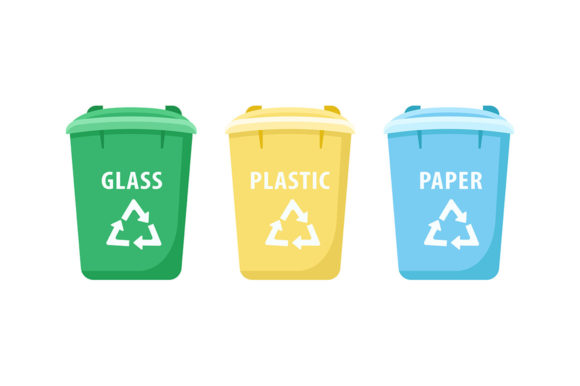
Large Recycling Bins Flat Color Objects: A Practical Toolkit for Modern Designers
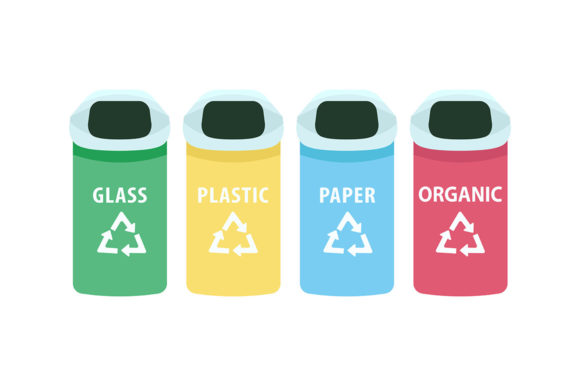
When you are diving into a web graphic design project or animating a sequence about environmental responsibility, the visual language you choose matters just as much as the message itself. This is where the Large Recycling Bins Flat Color Objects collection steps in as an essential resource. Rather than dealing with heavy, photorealistic renders that can slow down your workflow or clash with a minimalist aesthetic, this set offers clean, vector-based illustrations designed to communicate clearly and effectively.
The core of this collection lies in its simplicity. By isolating waste containers in a flat color style, the images strip away unnecessary distractions, allowing the viewer to focus immediately on the concept of separation and sustainability. Whether you are creating an infographic for a corporate sustainability report or designing an interactive app for a local municipality, having access to high-quality, isolated cartoon illustrations makes the difference between a cluttered page and a professional, engaging experience.
Real-World Applications for Digital Creators
While it might seem like a niche asset, the utility of these large recycling bins extends far beyond simple decoration. Let's look at how different professionals actually use these assets in their daily workflows. The versatility of the Large Recycling Bins Flat Color Vector Objects Set makes it a go-to choice for anyone needing to visualize waste management concepts without getting bogged down by complex 3D modeling.
- Social Media Campaigns: Non-profits and eco-conscious brands often need fresh content every day. Using these flat color objects allows marketers to quickly create shareable posts about paper and glass waste separation. The bright, distinct colors ensure the message pops on mobile screens where attention spans are short.
- Educational Materials: Teachers and curriculum developers frequently struggle to find age-appropriate visuals for teaching kids about recycling. These cartoon-style illustrations strike the perfect balance—they are friendly and approachable for children but remain clear enough for older students to understand the mechanics of waste sorting.
- Corporate Presentations: When business leaders need to present data on waste reduction, standard charts can feel dry. Integrating these isolated bin illustrations into slide decks adds a layer of visual storytelling that helps stakeholders grasp the importance of proper disposal protocols.
- Web Interface Design: For websites dedicated to community services or municipal information, navigation icons need to be instantly recognizable. Large recycling bins serve as intuitive symbols for sections related to "Waste Disposal," "Green Initiatives," or "Community Events."
Industry-Specific Benefits
Different industries face unique challenges when communicating about sustainability. The flexibility of this asset library addresses several of these specific needs. In the education sector, the ability to separate paper and glass waste visually is crucial. Educators can use the distinct shapes and colors to demonstrate the "right" bin for the "right" material, turning a boring lesson on rules into an interactive learning moment.
For municipal planners and government agencies, clarity is paramount. When launching a new recycling program, confusion leads to contamination. Using these isolated illustrations in brochures, flyers, and digital signage helps residents understand exactly what goes where. The flat color style ensures that the graphics reproduce well on low-cost printing materials without losing their vibrancy.
In the realm of mobile app development, performance is key. Animating a realistic 3D bin can drain battery life and increase load times. However, using vector-based flat color objects means the graphics scale perfectly from a smartwatch screen to a tablet without pixelation. Developers can easily animate these elements to show items falling into the correct bins, providing immediate feedback to users who are unsure about how to dispose of an item.
Understanding the Format and Workflow
One of the most practical aspects of this collection is the file format. The ZIP file contains both EPS and JPG formats, catering to a wide range of design software and requirements. This dual-format approach is a game-changer for designers who work across different platforms.
The EPS (Encapsulated PostScript) files are vector-based, which means they are infinitely scalable. You can take a small icon used in a sidebar and enlarge it to cover a billboard without any loss of quality. This is particularly useful for print materials where sharp lines are non-negotiable. If you need to change the color of a specific bin to match your brand guidelines, the vector nature of EPS files makes that editing process seamless.
On the other hand, the JPG files offer immediate compatibility. They are ready to drop into presentations, email newsletters, or social media schedulers without needing special conversion tools. While they don't have the scalability of vectors, their ease of use makes them ideal for quick-turnaround projects where time is of the essence.
Considerations for Effective Use
Before integrating these assets into your project, there are a few practical considerations to keep in mind. While the Large Recycling Bins Flat Color Objects are highly versatile, they rely on color coding to convey meaning. In some contexts, relying solely on color can be problematic for users with color vision deficiencies. It is always a good practice to pair these visuals with clear text labels or icons indicating the material type (e.g., a paper sheet icon next to the paper bin).
Another factor to consider is the context of your audience. The cartoon style works exceptionally well for general audiences, children, and casual readers. However, if you are designing for a highly technical engineering firm or a formal academic journal, the playful nature of the illustration might feel slightly out of place. In those cases, you might prefer to use these assets sparingly as decorative accents rather than the primary visual element.
Furthermore, while the bins are isolated, the background removal is already done. This saves hours of manual tracing work, but it also means you have total control over the background you place behind them. Be mindful of contrast; placing a light-colored bin on a white background will make it disappear. Always test your final composition to ensure the waste containers stand out clearly against whatever backdrop you choose.
Maximizing the Impact of Waste Separation Visuals
The ultimate goal of using these graphics is to drive action. When people see a clear, colorful representation of paper and glass waste separation, they are more likely to engage with the content and adopt better habits. The visual hierarchy created by the flat color style guides the eye naturally from one object to another, reinforcing the relationship between the waste item and the container.
Whether you are animating a short clip showing a bottle being tossed into the correct glass bin or creating a static poster for a school hallway, these assets provide a solid foundation. They allow you to focus your creative energy on the message rather than struggling with the technicalities of drawing or rendering. By choosing a tool that prioritizes clarity and usability, you ensure that your work resonates with your audience and effectively promotes the vital cause of recycling.
As we continue to face environmental challenges, the demand for clear, accessible communication tools grows. This collection of large recycling bins represents more than just a set of images; it is a bridge between complex waste management systems and the everyday decisions made by individuals. By leveraging these resources, designers, educators, and communicators can create content that is not only visually appealing but also genuinely helpful in fostering a greener future.