Decorative Christmas Candel Design: A Practical Guide to Integration and Execution
The Decorative Christmas Candel Design represents more than just a seasonal aesthetic choice; it is a versatile asset that fits seamlessly into professional workflows, creative projects, and small business operations. Whether you are a textile entrepreneur managing holiday inventory, a hobbyist preparing personalized gifts, or a designer integrating seasonal motifs into a larger collection, understanding the technical and practical nuances of this embroidery file is crucial for efficient execution. The design's flexibility allows it to adapt to various production scales, making it a valuable tool for anyone looking to enhance their output with high-quality, thematic details.
Understanding the Design Architecture and Technical Specifications
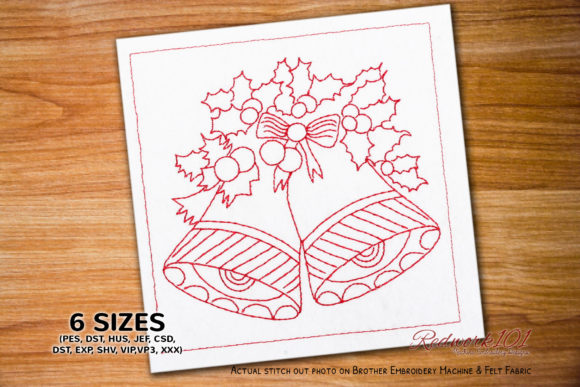
At its core, the Decorative Christmas Candel Design is engineered for versatility across different hardware ecosystems. Unlike static graphics used in print media, embroidery files require precise stitch data to translate visual concepts into physical textures. This specific design package comes with multiple embroidery file formats, ensuring compatibility with a wide range of machines from entry-level home models to industrial multi-head systems. This cross-platform capability eliminates the need for manual conversion or re-digitizing, saving significant time during the planning phase of any project.
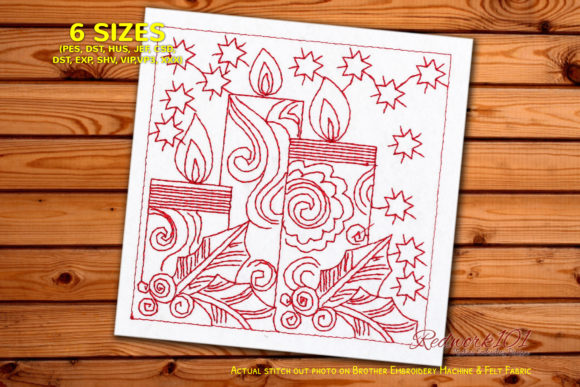
A critical component of this design is the optional Box Stitch. In many professional applications, users prefer to skip certain elements to maintain focus on the primary motif or to accommodate fabric limitations. The design accommodates this by allowing the outer box color to be distinct from the main candle imagery. If the box is not part of your intended design concept, you can easily skip the color directly in your machine software. This feature provides a level of control often missing in pre-packaged designs, allowing creators to tailor the final product without altering the underlying code.
Workflow Integration Before Production
Effective implementation begins long before the needle touches the fabric. When integrating the Decorative Christmas Candel Design into a workflow, the first step involves assessing the target medium. Are you embroidering on heavy canvas for tote bags, delicate silk for scarves, or sturdy denim for aprons? The design's density and stitch count must align with the material's tensile strength. Professionals often test the design on scrap fabric to verify how the skipped colors behave if the box element is omitted. This preparation phase prevents wasted materials and ensures consistency across large batches.
For entrepreneurs and marketers, this design serves as a strategic asset for product development. Imagine launching a limited-edition holiday collection. By utilizing a design that offers built-in customization options—such as removing the outer box—you can create variations of the same product line without purchasing new digitized files. This approach streamlines the decision-making process, allowing teams to pivot quickly based on market feedback or supply chain constraints.
Executing the Design During the Creative Process
During the active creation phase, the interaction between the user, the software, and the machine becomes paramount. The ability to skip the color for the outer box directly in the machine interface is a workflow efficiency booster. Instead of loading a separate file for every variation, operators can toggle settings on the fly. This reduces machine downtime and minimizes the risk of human error associated with file switching. For educators and bloggers teaching embroidery techniques, this feature offers a perfect case study in digital-to-physical translation, demonstrating how modern software empowers the artisan to make real-time decisions.
The visual impact of the Decorative Christmas Candel Design relies heavily on thread selection and tension management. Since the outer box is often a contrasting color, it acts as a frame for the central candle motif. However, when the box is removed, the focus shifts entirely to the intricate details of the candle itself. Creators should consider how the negative space interacts with the garment or item being decorated. In some cases, leaving the box out creates a cleaner, more modern look suitable for corporate branding, while retaining it adds a traditional, framed appearance ideal for rustic holiday decor.
- Thread Compatibility: Ensure the thread weights match the stitch density of the design to prevent puckering.
- Hoop Selection: Choose hoops that allow for the full design area, including the optional box, even if you plan to skip it later.
- Stabilizer Usage: Select stabilizers based on the fabric type; cut-away stabilizers are generally recommended for permanent holiday items.
Post-Production and Quality Control
Once the embroidery cycle is complete, the quality control process ensures the Decorative Christmas Candel Design meets professional standards. Inspect the stitches for consistency, particularly around the transition points where colors change. If the outer box was skipped, verify that the jump stitches were trimmed cleanly and that no loose threads remain on the back of the work. This attention to detail is vital for businesses selling handmade goods, as the internal finish is often a reflection of overall craftsmanship.
For long-term use, proper storage of the finished items is essential. Embroidered pieces can be sensitive to friction and moisture. Organize completed products by size or category to maintain efficiency in inventory management. If you are using these designs for personal goals, such as creating family heirlooms, documenting the thread colors and machine settings used can be invaluable for future replication or restoration.
Strategic Applications Across Different Sectors
The utility of this design extends beyond simple decoration. For freelancers and content creators, the Decorative Christmas Candel Design can serve as a template for video tutorials or blog posts about holiday crafting. The optionality of the box stitch provides two distinct looks within a single tutorial, offering viewers more value and increasing engagement rates. Marketers can leverage this versatility to create "Before and After" campaigns, showcasing how a single design file can yield multiple product aesthetics.
In the realm of education, this design facilitates lessons on file management and machine programming. Students learn to navigate complex interfaces, understand the implications of skipping colors, and appreciate the importance of format compatibility. It transforms a simple decorative task into a comprehensive learning module covering technical skills, artistic judgment, and operational efficiency.
Small business owners can integrate this design into their seasonal sales strategies. By offering customizable options—where customers can choose whether to include the border or select specific thread colors for the box—businesses can command higher price points through personalization. This approach aligns with current consumer trends favoring unique, bespoke items over mass-produced goods. The ability to use the design on various machines also means that small workshops do not need to invest in expensive, proprietary equipment to produce high-quality holiday merchandise.
Optimizing Efficiency and Consistency
To maximize the return on investment for the Decorative Christmas Candel Design, organizations should establish standard operating procedures (SOPs) for its use. Create a library of approved thread palettes and stabilizer combinations to ensure consistency across all production runs. Document the optimal machine settings for each file format included in the package. This documentation serves as a reference guide, reducing the learning curve for new team members and ensuring that the quality remains uniform regardless of who operates the machine.
Efficiency is further enhanced by batch processing. When running large orders, group similar fabric types together to minimize setup changes. Utilize the multi-format nature of the design to run jobs on different machines simultaneously, balancing the workload and reducing lead times. The flexibility to skip the outer box color directly in the machine allows for rapid prototyping; you can quickly test a version without the box to see if it suits a specific client's taste before committing to a full production run.
Long-Term Value and Adaptability
As seasons change, the demand for specific designs fluctuates. The Decorative Christmas Candel Design offers enduring value because of its modular nature. Even after the holiday season, the clean lines of the candle motif can be repurposed for other occasions or integrated into year-round collections by changing the thread colors. The removal of the festive box allows the design to take on a more neutral, elegant tone suitable for winter weddings or New Year's events.
Furthermore, the inclusion of multiple file formats future-proofs your investment. As technology evolves and new machines enter the market, having access to a variety of formats ensures that your assets remain usable. This foresight is a hallmark of effective resource management, preventing obsolescence and protecting the initial purchase cost over time.
Ultimately, the successful integration of the Decorative Christmas Candel Design depends on a clear understanding of its capabilities and a disciplined approach to execution. By treating the design as a flexible tool rather than a static image, professionals and hobbyists alike can unlock its full potential. Whether you are streamlining a commercial production line or adding a personal touch to a handmade gift, the combination of technical precision and creative freedom provided by this design makes it an indispensable addition to any embroidery workflow.